BY: ELIJAH BASSETT
As the replacement of manufacturing and other jobs by machines threatens to change the labour market beyond recognition, anxieties about the future of the economy in an age of automation are only growing. But some artists are trying to make the best of the situation, challenging fundamental ideas of what art and artists should be by incorporating automation into their work. Whether it’s fashion, drawing, or even poetry, plenty of people are now pushing boundaries by ceding some of their creative control to machines, with some interesting results.
That isn’t to say that this is an entirely new phenomenon: in fact, this movement – like so many others – has its roots in the 1960s, with visual artists using recently-invented mapping technology to create pictures, and poets using machines to randomly generate poetry (the latter project has been digitally reproduced here by the electronic poet Nick Montfort). These early innovators were quick to notice the potential of technology for art, and people have been adopting their mindset ever since, in an increasing number of fields.
These works may be unconventional, but they reflect a deeply optimistic view of technological advancement’s implications for human society. Although this optimism about automation has been shaken in the years since the ‘60s, artists have nonetheless kept working to incorporate it into their artistic processes using computers as well as machines like 3D printers.
 That brings us to the 21st century, where computers and the internet have further revolutionized art, and automated art has gained a new plethora of possibilities. For example, some artists have taken to creating programs that convert computer data into images or sound, like in Florian Hecker’s Chimerization or Diego Collado’s Data Recovery. These kinds of projects are only possible due to computers, and require little human input after the initial coding. At the same time, many programs, like Google Deep Dream use that small amount of user involvement to create drastically different outputs, making automated digital art potentially a more personalized art form.
You can also find this more personalized element in some poetry projects that use computerization to create unique art. One particularly unique example is Aaron Tucker’s Chess Bard program, which has you play a game of chess against a computer, and converts the game into a poem. This is arguably a more democratic approach to poetry since the reader plays a more involved role in creating the meaning. Not only do they influence the content with their chess moves, but since it’s often unclear exactly what the computerized poem is getting at, it leaves the reader in charge of deciding what it means to them. As automated literature moves forward, the outputs will likely become easier to understand as well.
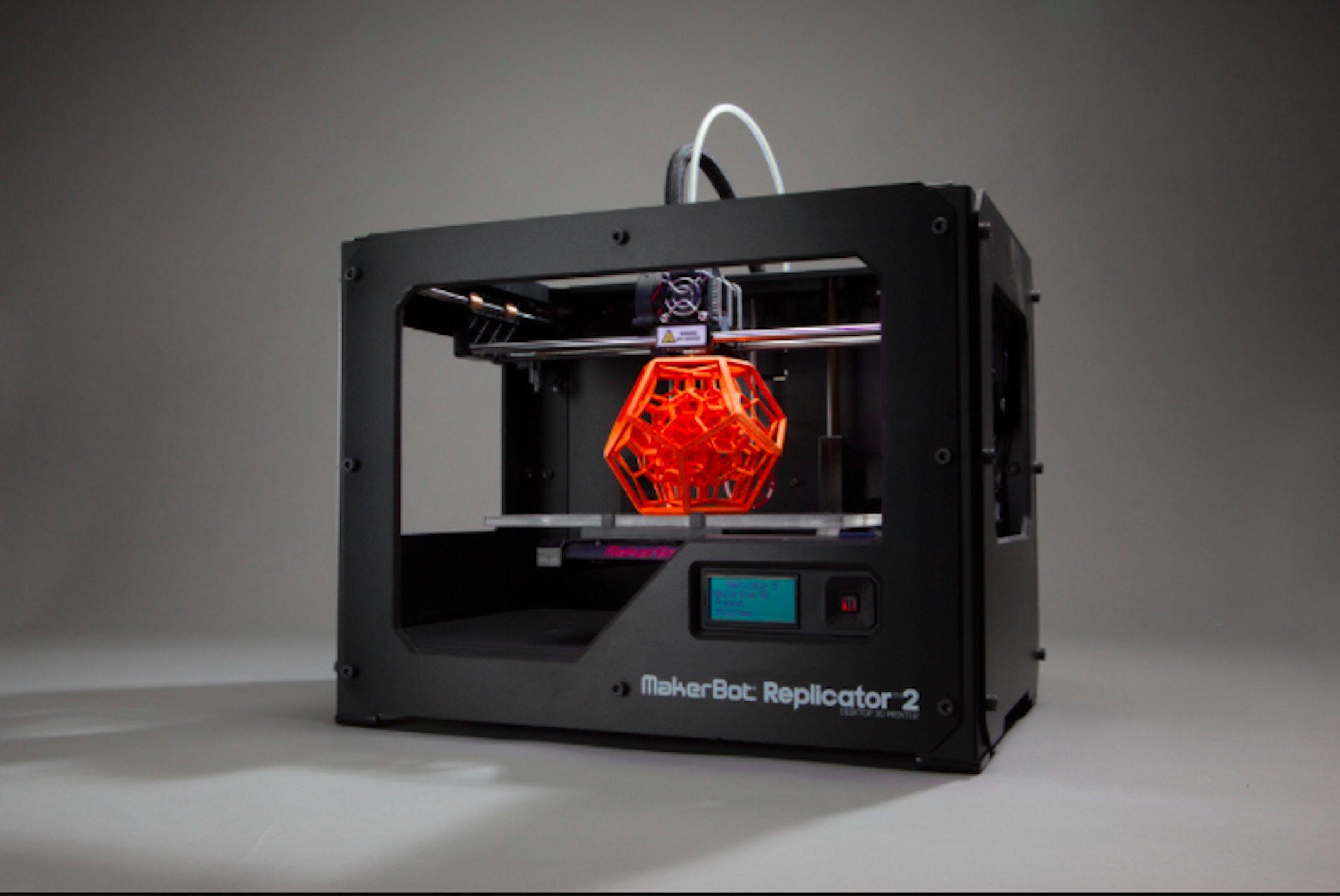
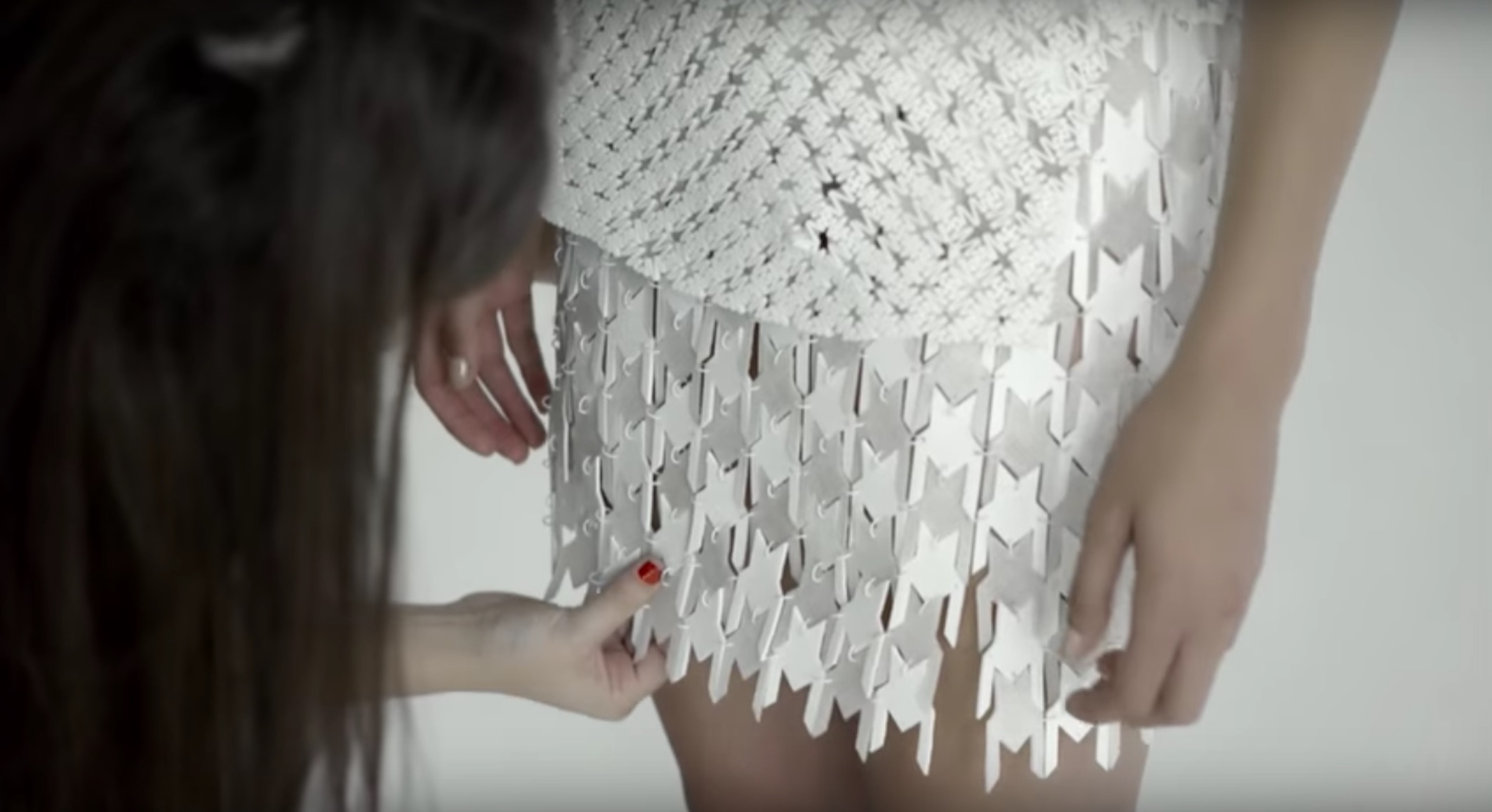
But there’s yet another medium of art that is taking the potential of modern technology and automation in yet another direction, and that’s fashion. While a lot of automated art is produced and shared entirely inside computers, some fashion designers have been using 3D printing to build their clothes for them. Not only does this cut out some of the manual labour of making clothes, but it also allows people to upload and download these clothes on the internet to print for themselves.
 One 3D-printing fashion designer, Danit Peleg, also hopes that it can “democratize fashion” as more people gain access to the software and machines necessary. That isn’t to say that 3D-printing is easy or quick (it took Peleg 2000 hours to make her collection – 400 hours per piece), but as 3D-printers become more widespread and easy to use (and more practical and common clothing designs emerge), they could seriously cut down on the labour and shipping costs of clothing worldwide. The work is far from over, due to remaining limitations of the technology, but with continuing innovation, it could very well happen.
 This is where, more than with other visual arts or poetry, questions of automation and the economy come in. Given the major role of sweatshop labour in the clothing industry, developments like this could have direct implications for the labour market. Of course, reducing or eliminating that kind of exploitation is morally good, but as technology’s potential to replace human labour grows, we will also have to think about how we can change infrastructure to support the people whose jobs will be lost.
One proposed solution for this is the Universal Basic Income, which some regional governments will be experimenting with in the years to come. In a world where things like clothes can be downloaded and printed, and even the supposedly “human” field of art is becoming more technological, it is easy to wonder what the economy of the future might look like. Luckily, the kind of optimism that these forward-thinking artists and policy makers bring to the problem may point towards one model for how we can think about the roles of machines and humans in the decades ahead of us.