BY: PHILIPPE DE JOCAS
What kinds of animals might you see on a safari on the Serengeti? Wildebeest, elephants, antelopes, lions… giraffes? Not for long, say scientists, who have recently moved the unmistakable long-necked mammal to “vulnerable” status. This sudden and unprecedented reclassification knocks the famous speckled browsers down two pegs from their previous classification as species of “least concern.”
The International Union for the Conservation of Nature (IUCN) recently met in Mexico to discuss biodiversity and the increasing effects of humans on nature, a formality that’s always accompanied by a re-jiggering of various threatened and endangered species. The good news – seven animals have been moved off the list of Earth’s most endangered animals. The bad news, however, is that far more now find themselves on that same list, including the giraffe. It’s easy to understand why people might miss the plights of tiny toads or swamp fish, but how could people have overlooked the tallest land animal on the planet?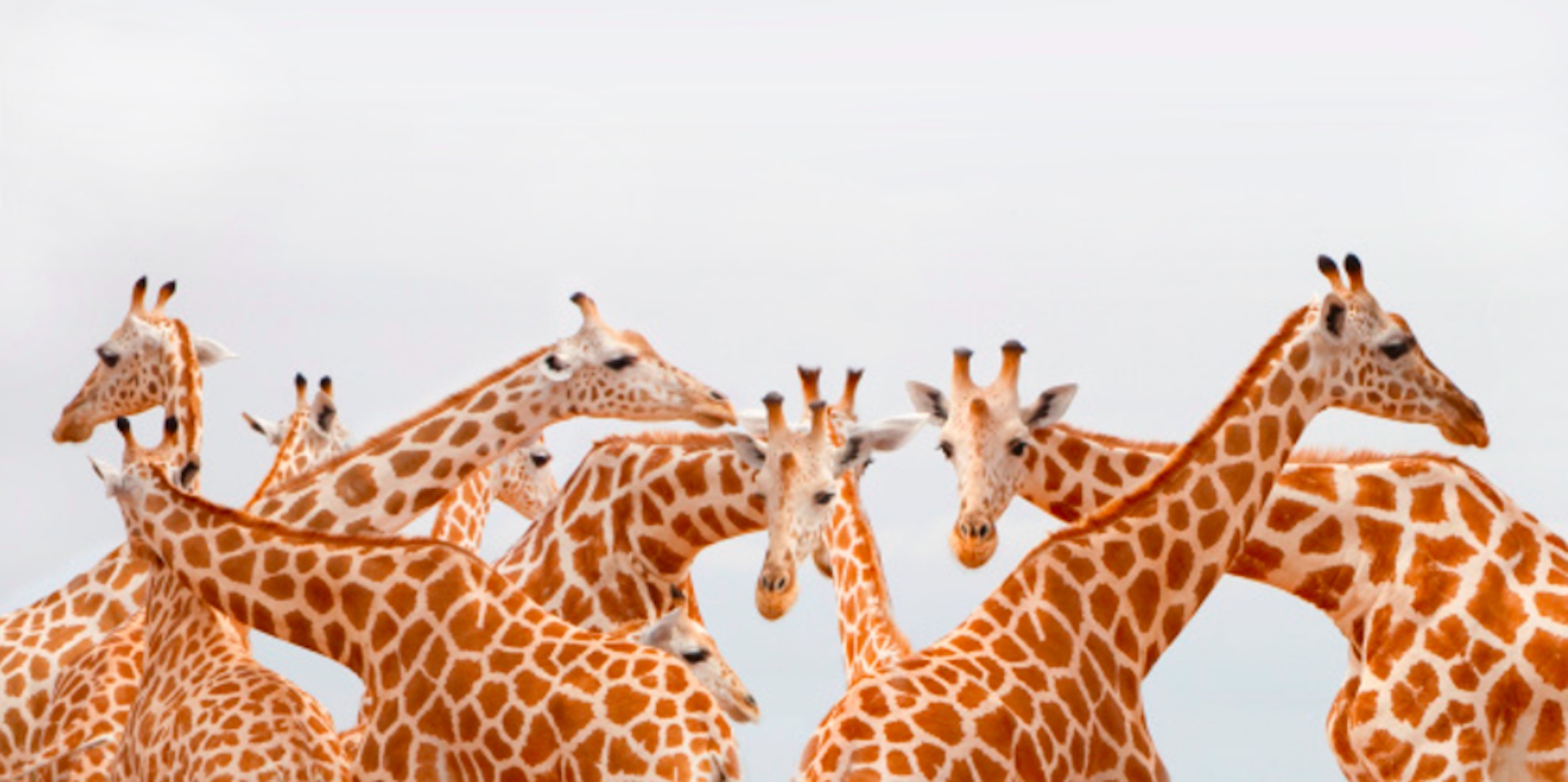
It turns out that while conservation efforts have tirelessly worked to fight on behalf of other African animals like elephants and rhinos, giraffe population levels have quietly dipped. As of 2016, there are four times more elephants on Earth than there are giraffes. This late-breaking news feels like a failure of the conservation system. Researchers and pundits alike have deemed this a “silent extinction.” Why didn’t researchers pick up on this drastic population decline earlier? For one thing, only recently have scientists realized that there are more than one kind of giraffe. For many years, zoologists tended to lump all nine species under a single homogenous “giraffe” category, leading to artificially inflated numbers. The widespread presence of giraffes in zoos, animal parks, and other protected zones has lulled both the public and researchers into a false sense of complacency.
Rather than trying to shift blame onto any one party, the real question we now face is to figure out why giraffe numbers have plummeted and what we can do to help these majestic creatures. That’s not a hard question to answer, given recent population trends and environmental news in Africa. The gentle, long-necked grazers require wide-open spaces with plenty of trees to thrive. They share the same problems as many other creatures. Humans are expanding into their previously untouched territory, and poachers, in some cases the same poachers who have preyed upon elephants and rhinos, have taken their toll, as have pollution-accelerated disease epidemics. Civil unrest across the continent has impacted formerly-pristine spaces and affected availability of food. Should we add the giraffe to the ranks of the dodo and the woolly mammoth? Not yet, say scientists. Although things look dire right now, there are silver linings and many opportunities to correct our mistakes. While some populations of giraffes have plunged, it’s worth pointing out that thriving giraffe populations in Southern Africa have offset the losses of their northern cousins. Already, this news has spread across the world thanks to social media, and in the coming weeks expect to see campaigns aimed at protecting giraffe populations. Zoos, wildlife sanctuaries, and other conservation groups are renewing the fight to ensure that these iconic long-necked browsers can continue to lope along the savannah for years to come.