BY: LAURA ROJAS
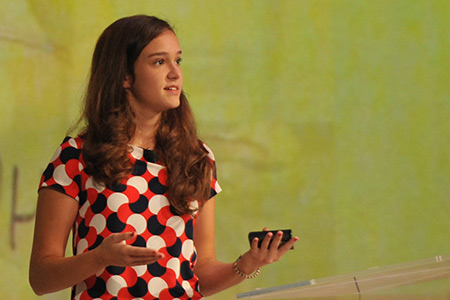
So it turns out a girl named Elif Bilgin, a 16-year-old junior at Koç High School in Istanbul, Turkey, submitted a project to the 2013 Google Science Fair that won her the “Science in Action Award.”
She developed a way of fabricating bioplastic from discarded, mashed-up, and boiled banana peels dipped in a solution that prevents them from decaying. This innovative form of organic plastic, rather than popular petroleum-based ones, provides an opportunity for rapid advancement in cosmetic prostheses and the electrical insulation of cables.
 So why, in 2018, are we still seeing conventional plastic production pretty much everywhere? I don’t have an answer. It just doesn’t make sense.
The importance of bioplastics is indisputable. I really cannot stress it enough. I could go on endless rants about the idiotic things we’re doing, or at least not preventing, when it comes to the detriment of our planet. According to Ecowatch, we’ve produced more plastic waste over the last 10 years than during the entire last century. Gross mass-production of chemical-based plastic products is a rising problem that affects every inch of the planet and every bit of our bodies. Apart from consuming our oil reserves for production; suffocating lakes, rivers, and oceans; and allowing landfills to grow by thousands of pounds a year, plastic is also a hazard to human health. It messes with hormonal receptors for god’s sake. On top of all that, it takes up to a thousand years to break down, leaving behind a weird chemical residue when it finally decomposes.
So Elif has the right idea. Bioplastics are created from organic waste material—something both non-toxic and renewable, unlike the materials used in conventional plastic production. Biodegradation of these plastics occurs through a natural process in which micro-organisms, enzymes, and bacteria metabolize them and turn them into water, carbon dioxide, methane, and biomass. It sounds like a beautiful, give-and-take relationship—balanced instead of selfish. Bioplastic is equivalent to the kind of fruitful love you never want to forsake.
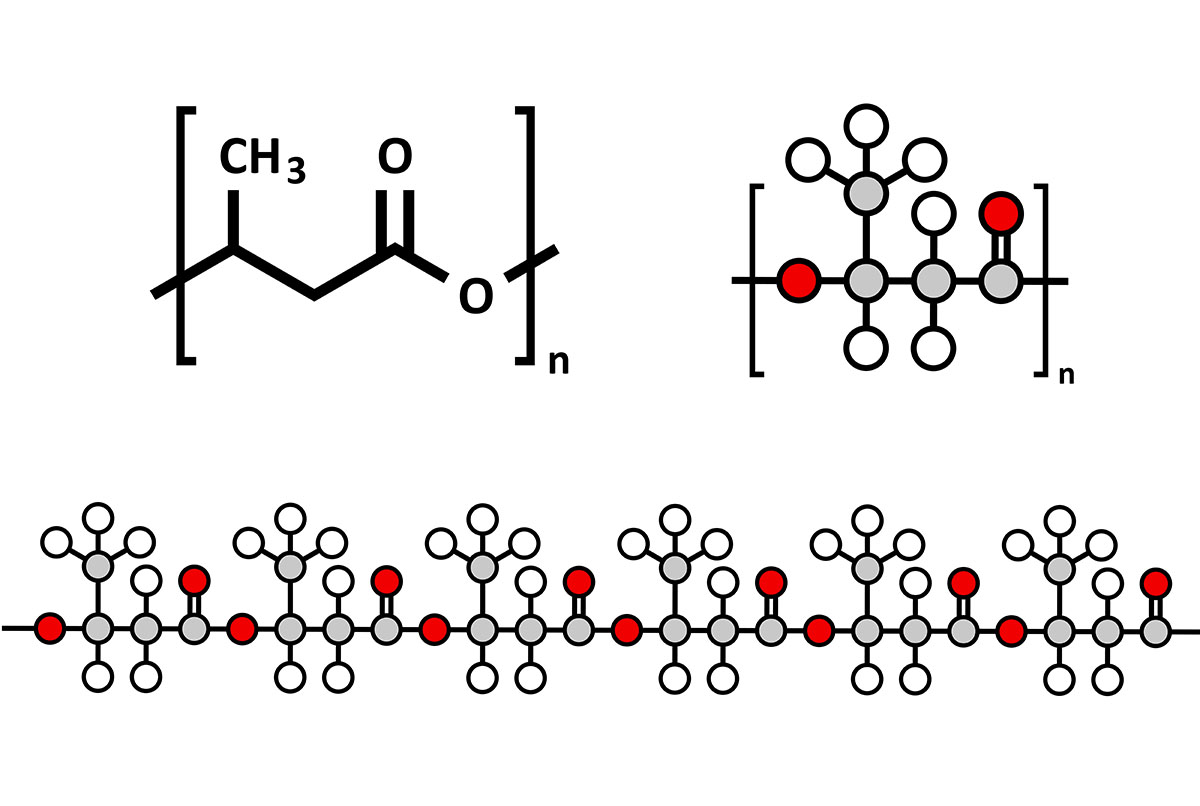 Companies have been investing in the future of bioplastics. Consider the compostable bags you use in your green bin at home. Novamont, for example, has been fabricating Mater-Bi since 1989, using materials like sunflowers and GMO-free corn (note: GMOs are a rant for another time). Nothing has been quite as simplistic and effective as Elif’s banana-infused plastics. A video she filmed breaks it down into easy steps that can even be employed at home.
Waste is antiquated now. It was just a trend sprouted by the excesses of industrialism, and indeed it must fade like the frosted tips of the early 2000s. Excess isn’t the same as wealth. Simplicity makes for a lighter life.
Bioplastics are a good starting point for a fresh culture of conservation. We’ve seen the planet-sized mess that the baby boomers have left for us to clean up. I hope we have learned from their mistakes. As the effects of climate change tighten their grip and our rate of production to consumption only increases, it’s refreshing to see such a youthful mind rising to action.
What can you do? Remember excess is cancer. Make as much as you can at home, remember the three Rs (reduce, reuse, recycle), and try to live by the natural law of simplicity. Currently, biodegradable plastic products are more expensive than their petroleum adversaries, but never forget the law of supply and demand—the more we embrace them, the cheaper they will get.