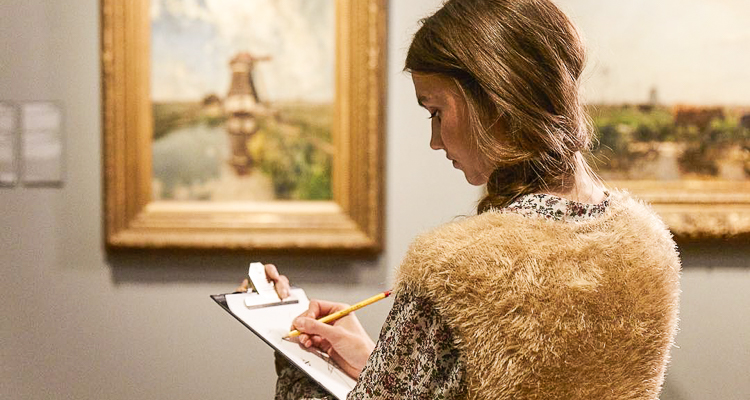
BY: JESSICA BEUKER
This past summer I visited the Museum of Modern Art in New York City. As I made my way through the paintings, taking pictures of my favourite ones, I looked up and realized something disheartening. Everyone at the museum, me included, was looking at the art through a screen. Some people would snap a photo of the painting and then hurriedly walk to the next one; others would take selfies in front of the most notable works—there was even a picture-taking lineup in front of Van Gogh’s Starry Night.
I asked myself in that moment why I was taking pictures of this beautiful art. It wasn’t to save and look at later; they would probably get lost in the shuffle of my 1,500-picture camera roll. No, most people were taking pictures to upload to social media, because a selfie next to Andy Warhol’s soup can would surely get a ton of likes.
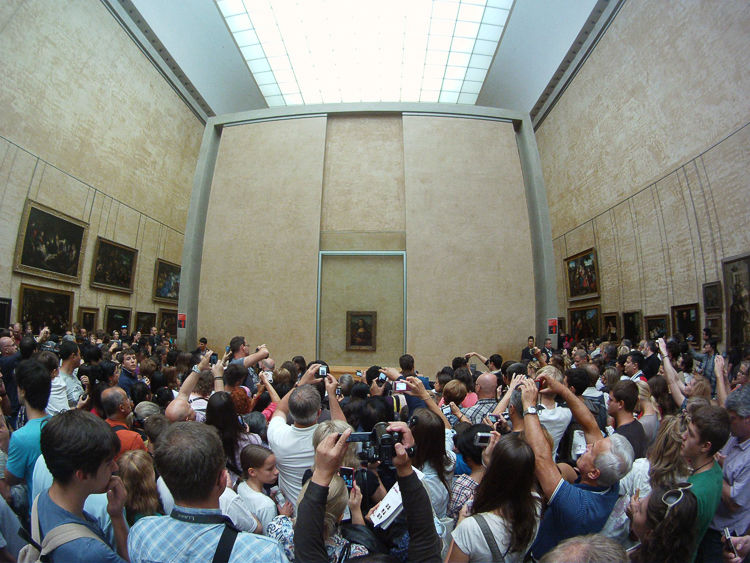
Art is to be admired and provoke thoughts and ideas, but all too often we miss that last part. That’s why the Rijksmuseum, an art history museum in Amsterdam, has decided to ban (or to kindly ask to put away) cell phones and instead get visitors to #StartDrawing.
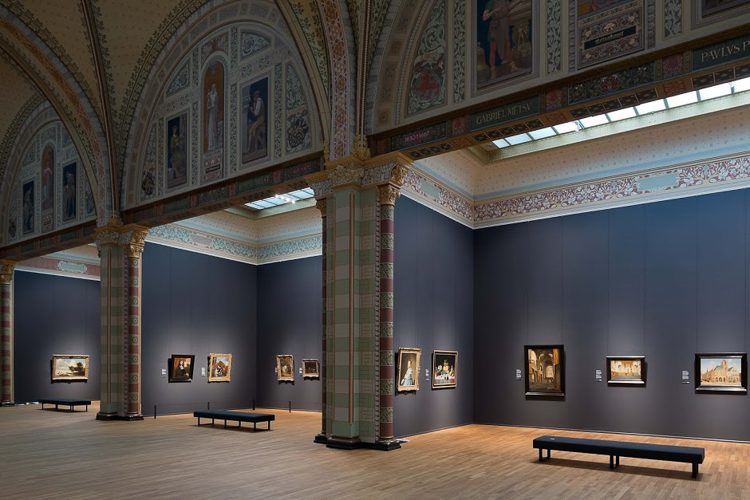
Photo Source: Rijksmuseum
When you visit, you’ll be asked to trade your cell phone for a pencil and paper. The idea is that stopping and taking the time to draw something will slow down the observational process. “We look at things quickly, fleetingly, superficially. We are easily distracted: by other people, our own thoughts, a little device vibrating inside a pocket. Wouldn’t it be nice if we could look a bit closer, a bit better,” Rijksmuseum wrote on their Instagram page, which they have been using to highlight visitors’ completed drawings.
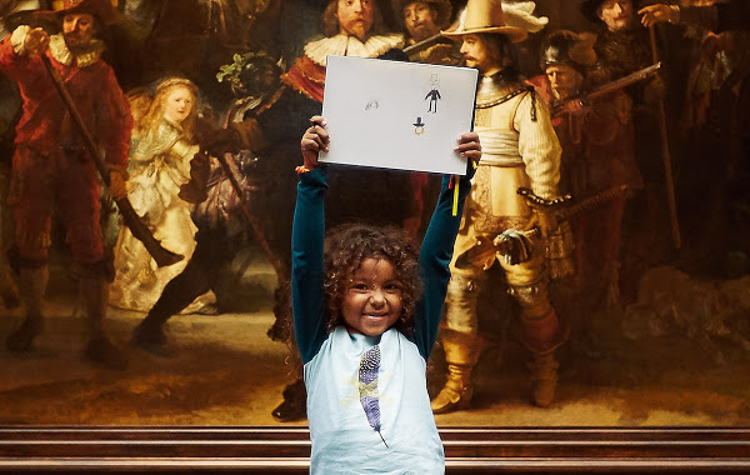
Photo Source: Rijksmuseum
Recently, Rijksmuseum was under fire for removing controversial terms from the titles of art pieces. They removed terms such as ‘negro’, ‘Indian’ and ‘dwarf’ and replaced them with less racially-charged terminology for fear of offending visitors, according to the Daily Mail. But visitors managed to be upset over the change, which many have deemed as “pandering to political correctness.”
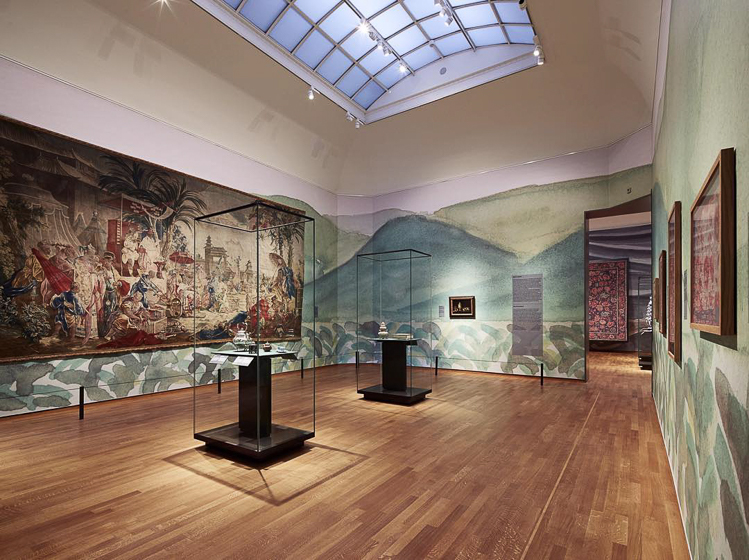
Photo Source: Rijksmuseum
“I think it’s absolutely wrong to remove words like “negro” and even “nigger” from historical texts. On one level, it’s dishonest, because it rewrites history. On an artistic level, it’s censorship,” art historian, Julian Spalding told The Times.
The museum defended its decision, and will keep the updated titles. While the politically correct titles might upset some people, I can’t see how the museum’s drawing campaign could be met with anything other than positive feedback.
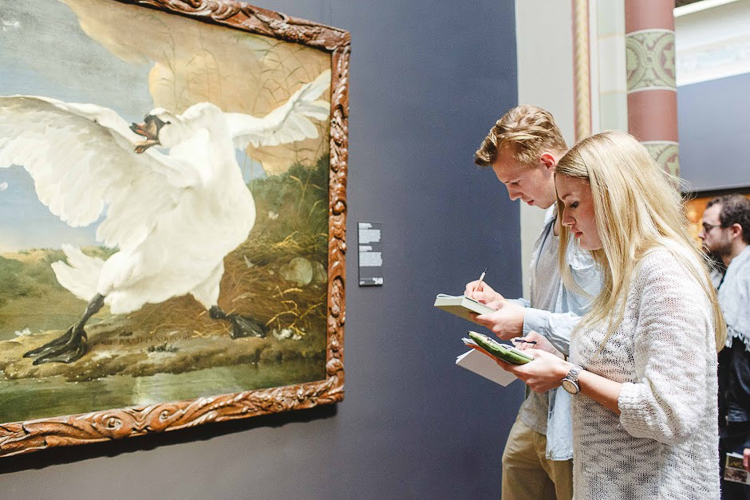
Photo Source: Rijksmuseum
“In our busy lives we don’t always realize how beautiful something can be,” said Wim Pijbes, the general director of the Rijksmuseum, to Colossal. “We forget how to look really closely. Drawing helps because you see more when you draw.”