REPORTING/ INTERVIEW: ROB HOFFMAN
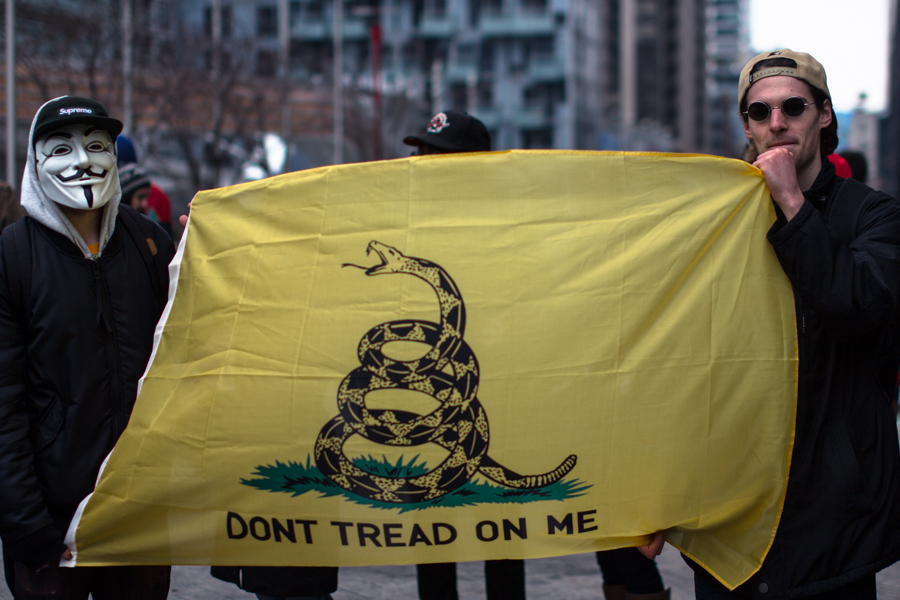
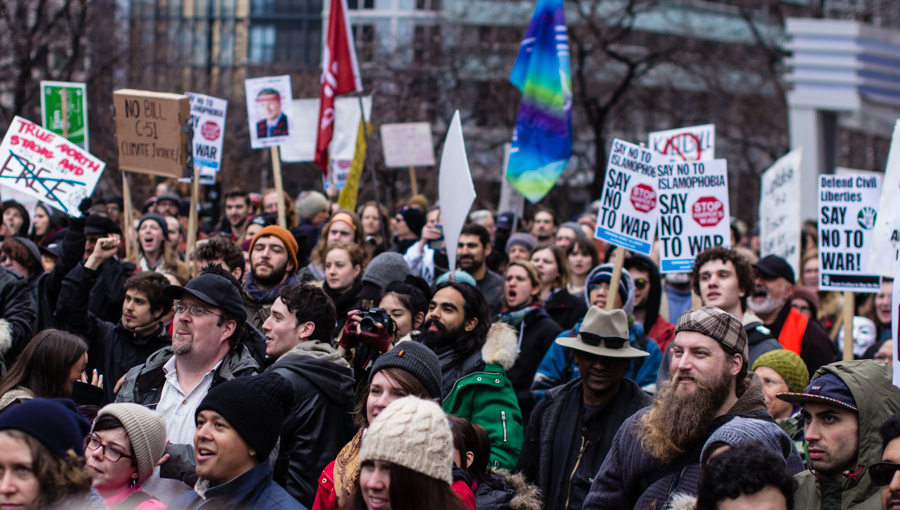
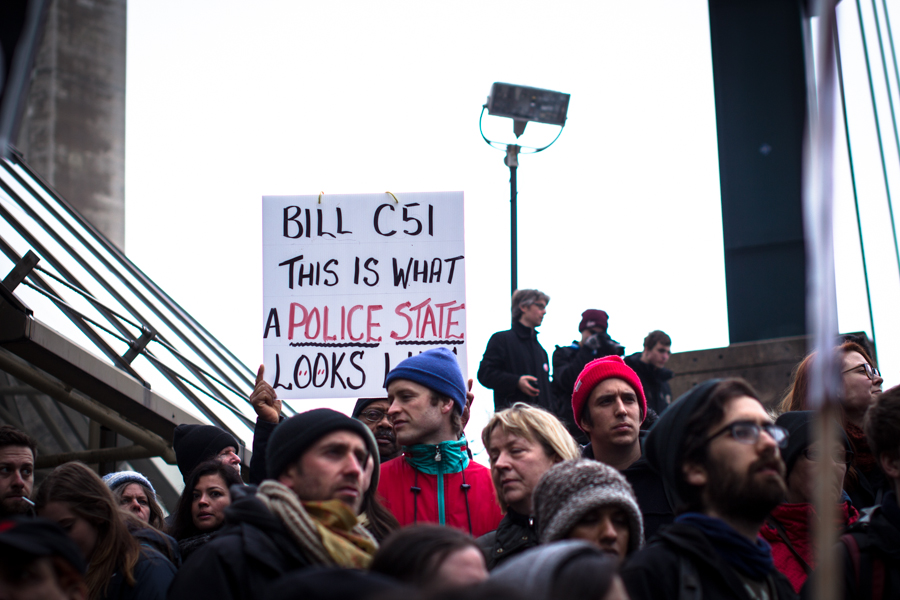
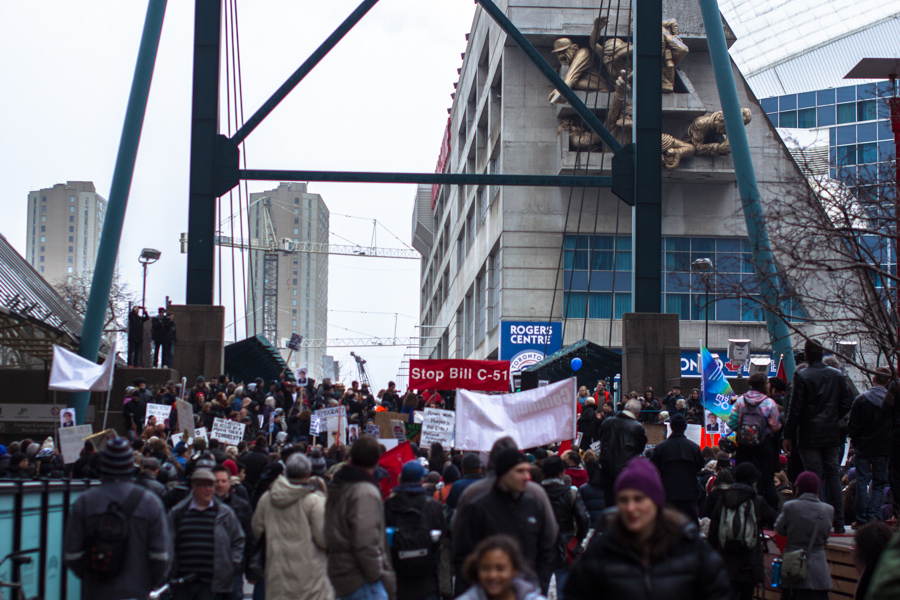
On Saturday, March 14th protestors flooded the streets of downtown Toronto in opposition to the Conservative Party’s “anti terror” Bill C-51. Protestors gathered at Queen and University, about 500 strong, before preceding into the entertainment district and gathering ahead of the bridge at the foot of the CN tower.
The protest was the Toronto arm of a nationwide demonstration against Bill-C-51 that took place in 55 cities coast to coast.
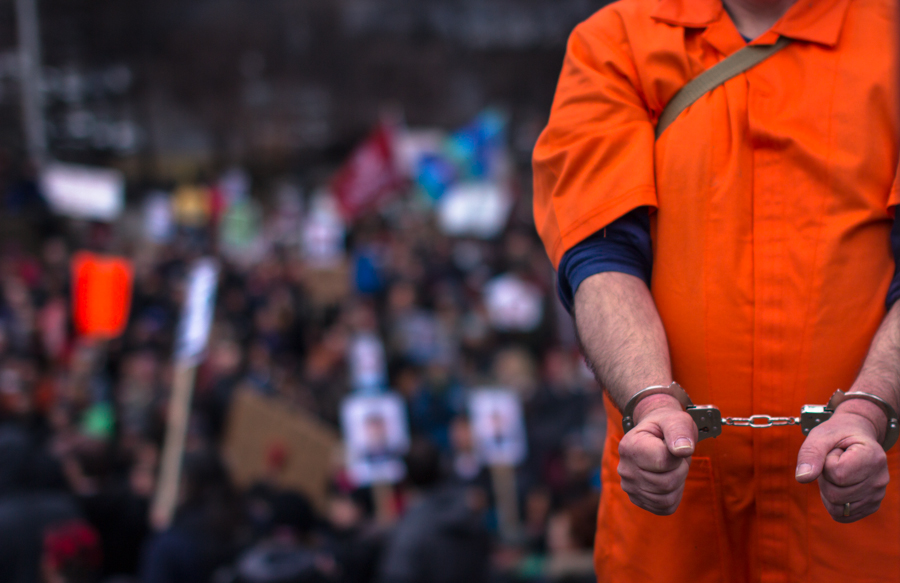
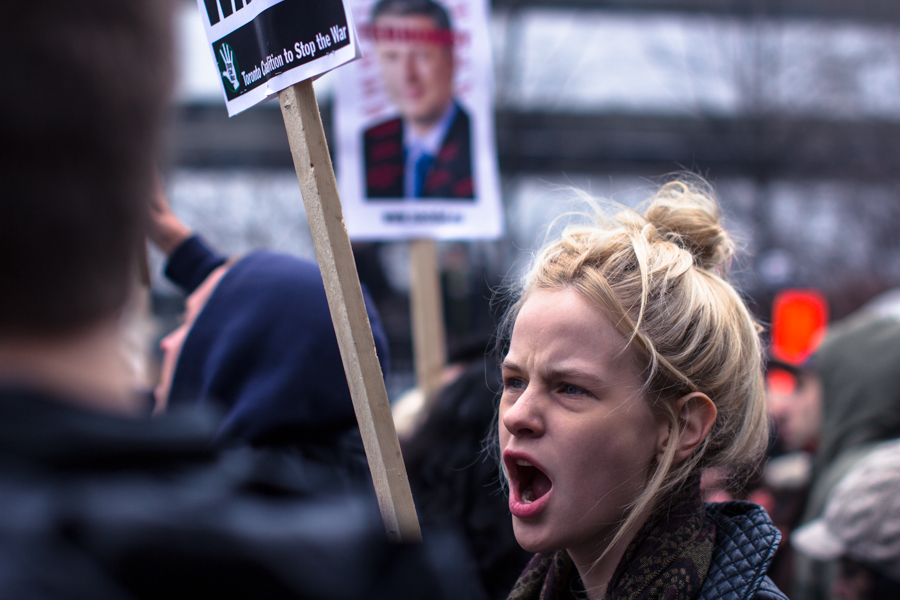
Above the crowd, a collage of picket signs sporting Harper’s face made allegations as to ‘who the real terrorist is’, and demonstrated opposition to onset of secret police and court systems. The bill would expand the powers of Canada’s government intelligence agency, CSIS, to detain suspects for up to 7 days without charge, disrupt communications interpreted as a threat to national security and grant CSIS powers to conduct preventative arrests.
Toronto protestors were there to raise concerns surrounding the Bill and how it stands to affect Canadians’ lives on a personal front. Many were weary of providing their full names given the nature of the Bill and its effect on public privacy.
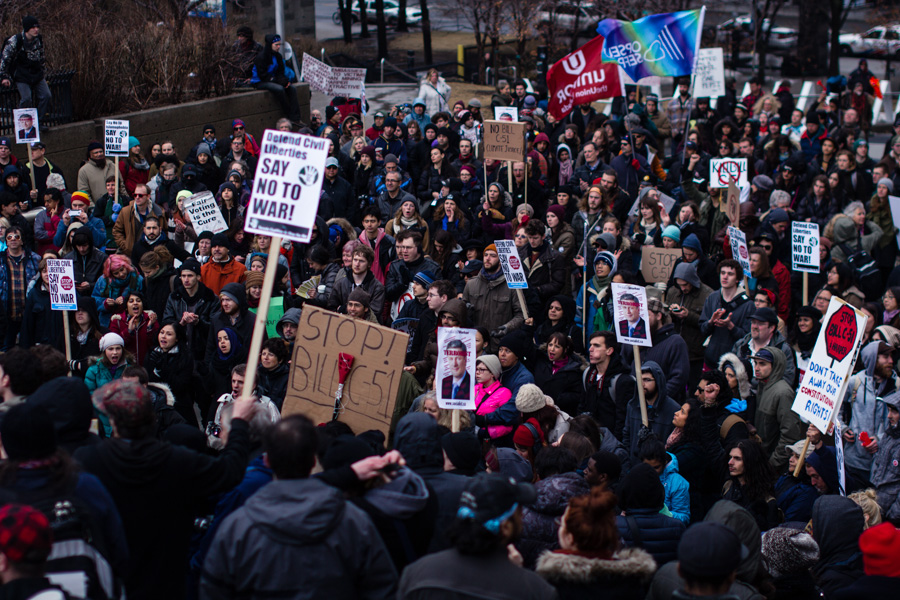
A red-haired young man named Alex expressed, “I’m really concerned about civil liberties and the freedom to disagree with the government. The current government has indicated that they are not a fan of people who are concerned with the environment and activism around that, especially around pipelines and tar-sands and that’s a really big concern for me. There’s an RCMP document that came out that said that they were concerned about anti-petroleum activists as a threat to national security. So they say this is just going to be about quote unquote ‘terrorists’ but it seems really that it’s going to be more about targeting legitimate democratic descent. Every other issue depends on the ability to disagree.”

“This bill legislates that anyone who is against the ideologies of the Harper regime or that are infringing upon their economic endeavours can be labeled as ‘sympathizing with the terrorists,’ and that makes you a target. They can infringe on your privacy and access your public forums, and find out if, for example, you’re against the tar-sands—permitting them to arrest you secretly, and bring you to a secret court system. I don’t know what kind of practices they will enforce in these facilities—and that’s a major concern. Our court systems should be public.” – A woman who asked to remain anonymous.
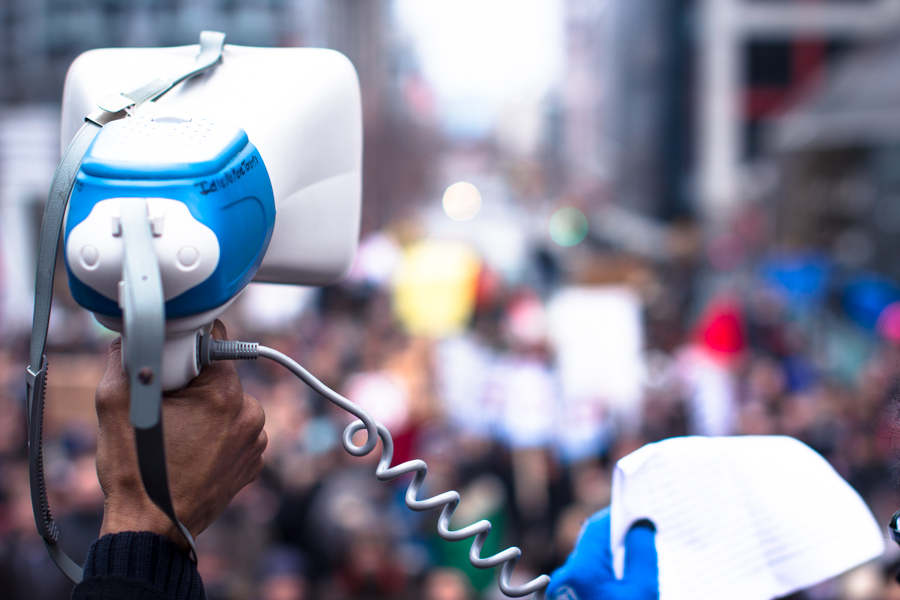
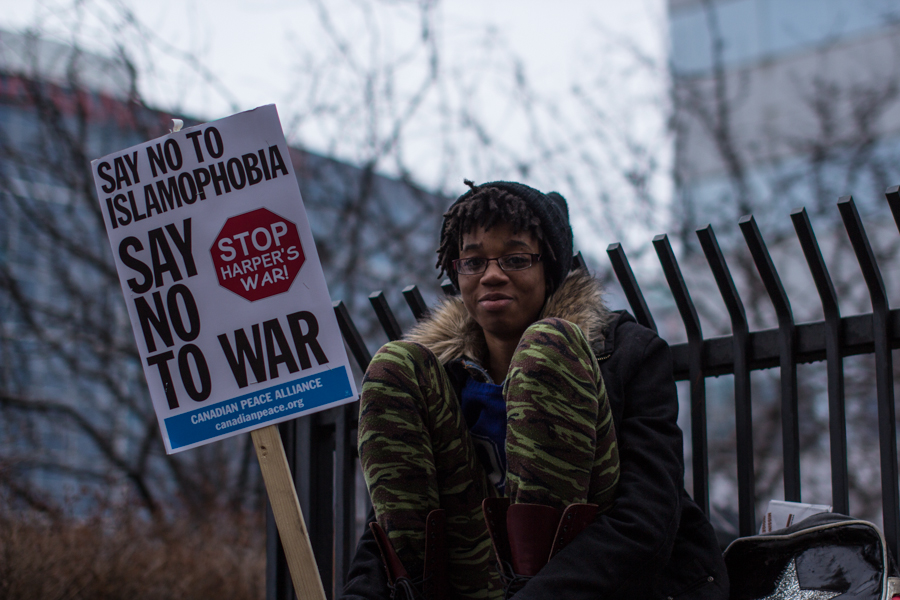
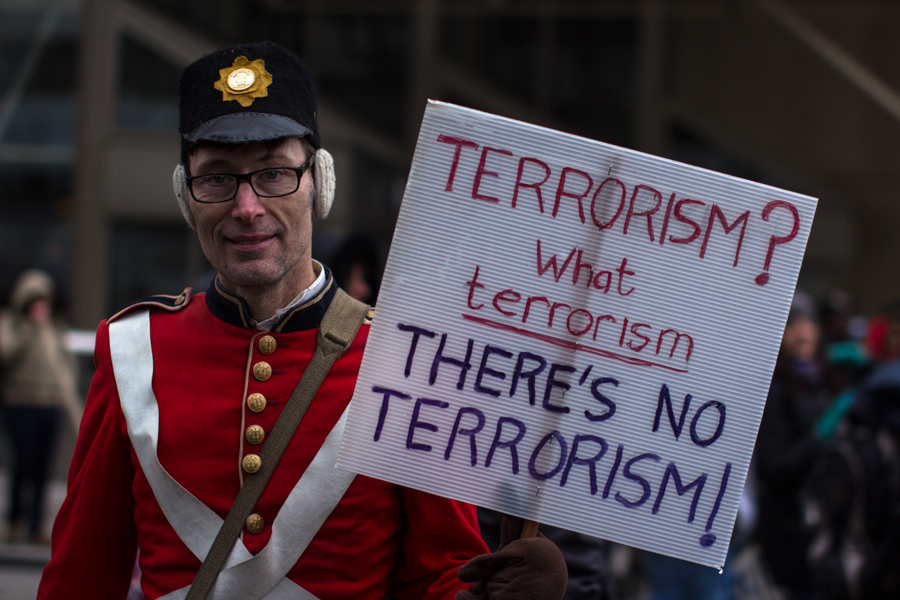

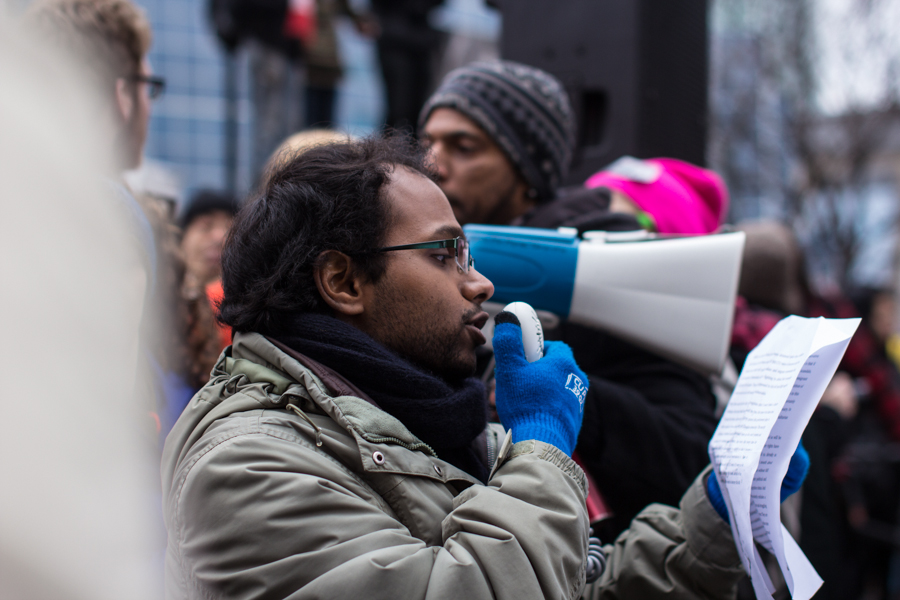
A number of speakers stood at the top of the stairs to rally the crowd and discuss the implications of the bill. One of the more eloquent speakers, Josephine Grey, founder of Low Income Families Together (LIFT.TO), joined me for a brief interview.
VIDEOGRAPHY: SEBASTIEN BACK
AUDIO: PAIGE HARWOOD