BY: PHILIPPE DE JOCAS
He may live in a pineapple under the sea, but Nickelodeon darling SpongeBob SquarePants has made a splash on dry land. In addition to a long-running TV series and two theatrical films, SpongeBob’s popularity has sparked countless lines of merchandise. Action figures, tie-in books, licensed food – the cheerful yellow invertebrate’s popularity rivals that of other cartoon heavy-hitters like Mickey Mouse and Bugs Bunny.

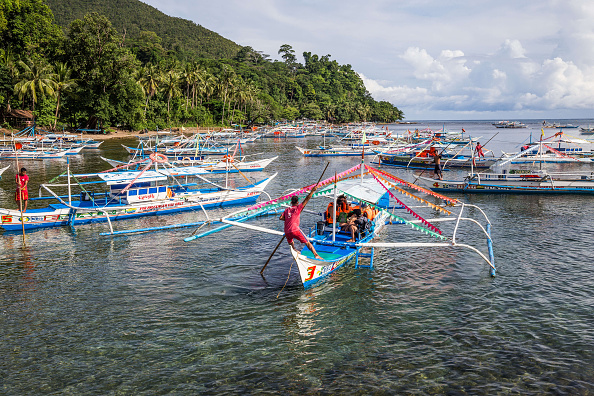
Now SpongeBob is heading off to the Philippines, but the locals aren’t giving him or his friends such a warm welcome. His destination: the pristine island of Palawan, a small island archipelago located off the coast of the mainland and home to the country’s oldest and most pristine stretches of coastlines and forests. Palawan holds two UNESCO World Heritage sites: the Tubbataha Coral Reefs, which sprawl over the domain of the archipelago, and an expansive subterranean river. It’s no secret that the people of the Philippines are justifiably proud of their little province, and ecologists the world over agree that this bountiful land is the “last ecological frontier” of Southeast Asia in a period of rampant urban development.
But this last frontier could drastically change in less than three years. In January 2017, SpongeBob’s parent company Viacom recently announced their plans to build a sprawling, 400-hectare theme park on the untouched landscape. The park, scheduled for a 2020 completion date, would host SpongeBob, Dora the Explorer, and other Nickelodeon attractions, including, the documents outline, the construction of an expansive underwater restaurant and viewing deck aimed to recreate SpongeBob’s stomping grounds.
Islands have long been among the most vulnerable spots on Earth. Their isolation means that even tiny changes in their geography or climate – say, a bunch of humans showing up – can have damaging and wide-reaching effects on the island’s makeup. Don’t believe me? Just ask the dodo.
It goes without saying that, no matter how good Viacom’s intentions are, constructing a theme park would permanently screw up the islands. Construction machinery alone would wreak irreparable damage on the fragile ecosystems. Boat traffic to and from the islands would pollute the water and permanently sour the pristine azure waters. Worse yet, drilling into the seabed to anchor the undersea restaurant would bleach and kill vast swathes of coral as harmful chemicals choke out delicate organisms. The cumulative erosion and littering damage caused by thousands of tourists every year would ensure that the islands would never return to their original state.
Certainly, SpongeBob himself – an outspoken fan of nature who’s fought more than once to protect his beloved Jellyfish Fields from outside exploitation – would have something to say about all this. In his stead, however, concerned netizens soon found their voices and raised opposition to Nickelodeon’s announcement, deeming it a shortsighted scheme worthy of Mr. Krabs himself. An online petition bolstered more than 125,000 signatures in less than a day. Philippine lawmakers and government officials, who have previously battled miners for control of the islands, came down harder on Viacom’s proposed plan. Environment Secretary Gina Lopez announced that she would unilaterally reject any attempts to develop the project on the islands. “That’s our wealth,” she outlined in an off-the-cuff response. “It’s not allowed. You can’t kill the corals. For a theme park? No. No way, man.” Absorbent and yellow and porous is he, but SpongeBob couldn’t have said it better himself.