By: Sinead Mulhern
The Mikisew Cree has just put in a request that Wood Buffalo Park, a northern Alberta national park, be classified as an ‘at risk’ area.
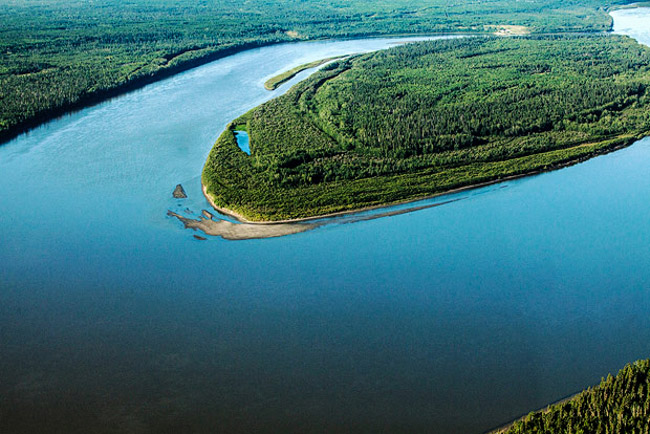
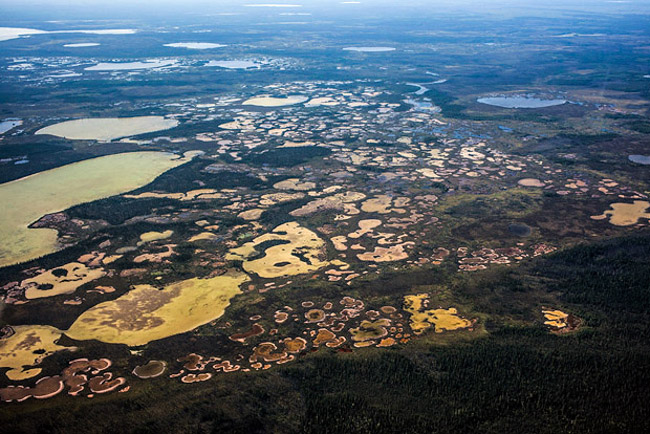
The park is currently classified as a World Heritage site because it’s home to the world’s largest fresh water delta (the joint where the Peace and Athabasca Rivers meet up). The First Nations group submitted the request to the United Nations Educational Scientific and Cultural Organization (UNESCO) early December.
Tar sands and hydroelectric projects are affecting the health of this 800,000-acre delta; First Nations living in the area have seen fast-depleting water levels and increased contamination. Getting the park an ‘at risk’ status would draw more attention internationally to the environmentally devastating projects going on in the area. Currently, the only North American park deemed ‘at risk’ is the Everglades in Florida.
 With the way the oil sands are proceeding, big oil companies are wrecking local fishing and trapping industries— industries that have supported First Nations communities for hundreds of years. The natural habitats for wildlife are also being destroyed.
“We want Canada and the world to consider that this place is endangered, because it is,” said Melody Lepine, a director for the Mikisew in a recent report by The Globe. She expects only bad things to come from future projects like a new oil sands mine under review right now by the Canadian government.
It’s the wreckage of this area’s environment as well as the harmful impact on the livelihoods of plenty of locals that leads the Mikisew Cree to ask for a 50 to 100-kilometre buffer around the area, meaning that no development should be allowed that close to the park.
 If that protective buffer gets the go-ahead, it would actually mean that the new oil sands mine, called the Frontier Oil Sands mine, would not be opening in 2021 as planned.
Also interviewed by The Globe is Alison Ronson, executive director of the Canadian Parks and Wilderness Society in northern Alberta. She says that if the UN honours the request, they could force Harper’s government to be more active in regulating oil sands projects in future.