“I’m Exercising All the Time and I Still Feel Exhausted.”
I hear some version of that sentence almost every week.
Someone sits down before class and tells me they’re doing everything they’ve been told to do. They’re walking every morning, taking fitness classes, lifting weights, riding a bike, or squeezing in another workout after work. They know exercise is important, so they make it a priority. Yet they still wake up tired, their shoulders feel like they’re carrying the weight of the world, they can’t remember the last time they slept through the night, and despite all of their effort, they don’t feel healthier.
Their questions are almost always the same.
“What am I doing wrong?”
After spending 35 years caring for the human body as a registered nurse and now teaching yoga every week, I’ve learned that this question deserves a different answer than most people expect.
The problem isn’t always that you need more exercise.
Sometimes what serves your body best is recovery.
We Have Been Taught That More Is Better
Exercise is one of the greatest investments you can make in your health. It strengthens the heart, builds muscle, protects bone density, improves balance, supports brain health, and reduces the risk of chronic disease. I encourage movement because our bodies were designed to move, and I believe staying active is one of the best gifts we can give ourselves.
Somewhere along the way, exercise became the answer to almost every problem. Feeling stressed? Go work out. Feeling anxious? Push harder. Not losing weight? Increase the intensity. Feeling exhausted? Burn more calories.
That advice makes sense on the surface because exercise is incredibly beneficial. What it overlooks is the condition of the body before the workout even begins. If you’d like to learn more about the broader benefits of yoga, this guide offers a helpful overview.
Your Nervous System Changes Everything
High intensity exercise is incredibly effective when your nervous system is regulated, you’re sleeping well, eating enough, and recovering between workouts. Your body responds by becoming stronger, your cardiovascular system adapts, and your muscles recover in preparation for the next challenge.
The experience is very different when your nervous system is already overwhelmed.
Stress doesn’t only come from the gym. It comes from demanding jobs, caregiving, financial pressure, chronic pain, poor sleep, illness, menopause, and the constant pace of modern life. Every one of those experiences places a demand on the body. Exercise is another demand, even when it is a healthy one.
When your nervous system is already overloaded, high intensity workouts often amplify the stress you’re trying to relieve. Cortisol rises, your heart rate remains elevated, and your body stays in a state of high alert. Instead of walking away feeling restored, you leave feeling overstimulated or completely depleted because your body is trying to preserve energy instead of spending it.
That doesn’t mean exercise is harmful. It means your body may not have the resources it needs to benefit from the workout in the way you expected.
The Body Is Always Trying to Protect You
One of the greatest lessons I learned as a nurse is that the body is incredibly intelligent. It is constantly adapting, protecting, and communicating. When something doesn’t feel right, the answer isn’t always to push harder. Sometimes the answer is to become curious about what the body is trying to tell you.
Fatigue is a message.
Poor sleep is a message.
Muscle tension is a message.
Brain fog is a message.
Feeling overwhelmed is a message.
We have trained ourselves to override those messages because we’re busy taking care of everyone else. We keep working, caring for our families, exercising, and checking off responsibilities because stopping feels unproductive. Eventually the body speaks louder because it has no other way to get our attention.
Stress Doesn’t Arrive Like a Crisis
We don’t become overwhelmed overnight.
Your patience becomes shorter, and your thoughts can become louder. You wake up tired, rely on caffeine to get through the afternoon, and climb into bed hoping tonight will be different. Your shoulders stay tight, your jaw clenches without you realizing it, and your mind keeps moving.
But we continue to show up for work, for the people we love, exercising because we know it’s good for us, and trying to stay positive while our nervous system never gets the opportunity to slow down.
Eventually your body begins to break down.
What Your Body May Really Need
When the nervous system is overwhelmed, the body responds to experiences that feel warm, gentle, and supportive. Recovery is choosing movement that helps your system regulate.
Your body needs warmth, rhythm, nourishment, and rest.
It needs a slower breath that signals to the brain that it is safe and movement that eases tension.
These experiences are often overlooked because they don’t feel productive. In reality, they create the conditions that allow healing to happen.
Why Yoga Is Different
So why does yoga make you feel so different from other forms of exercise?
The answer has very little to do with flexibility.
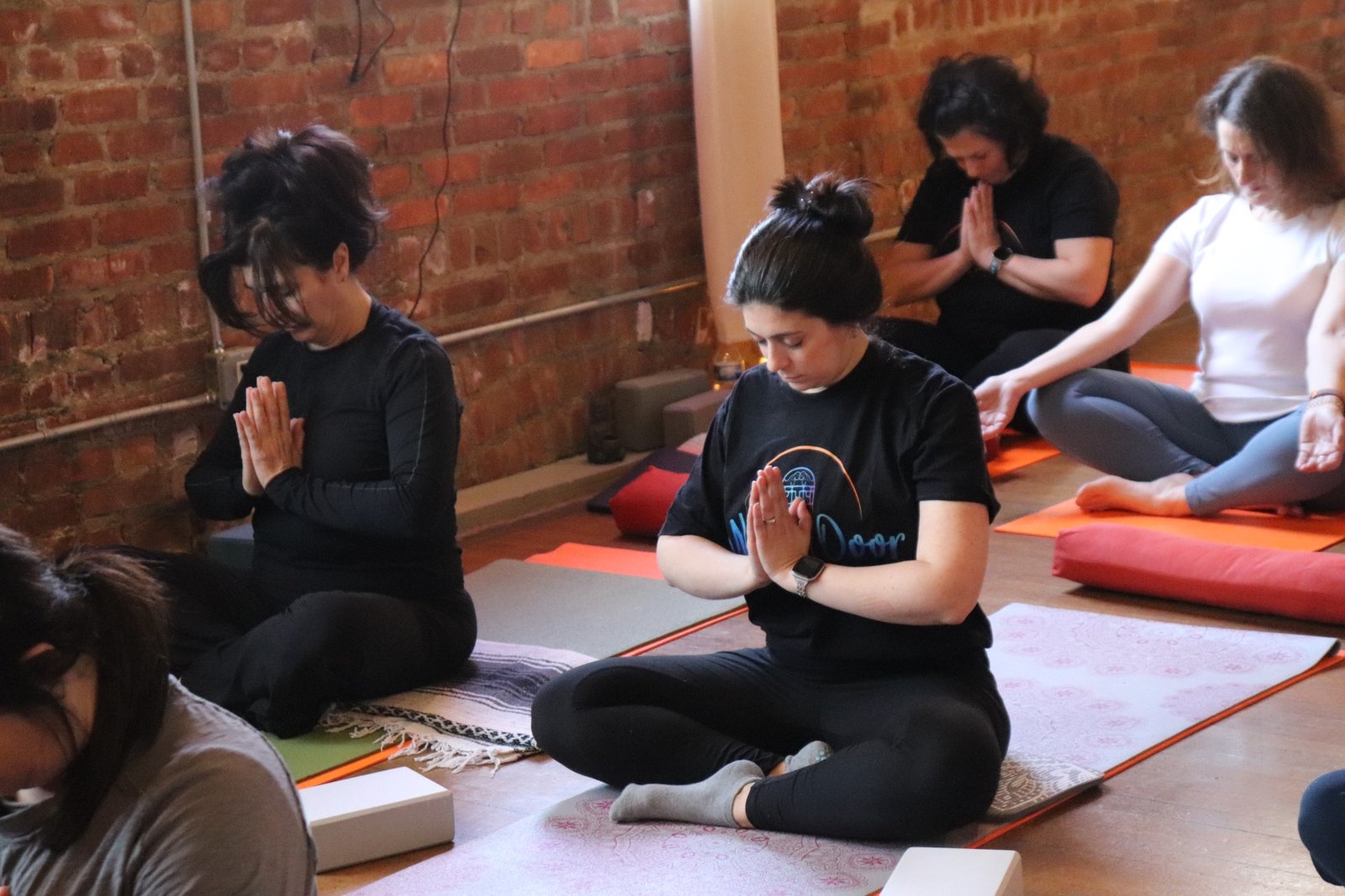
Yoga creates an environment where the nervous system can settle. A calmer breath helps lower your heart rate and signals safety. Gentle movement softens stiffness in the hips, back, neck, and shoulders. A slower rhythm organizes scattered energy so the mind can focus again, while a quieter environment reduces the sensory overload that has become part of everyday life. If you’d like to learn more about the broader benefits of yoga, this guide offers a helpful overview.
These changes may seem simple, although I watch them happen every week at West Door Yoga & Wellness. Students tell me they’re sleeping through the night for the first time in months. They notice their shoulders aren’t constantly tight. They respond differently to stressful situations at work. They have more patience with their families. They feel more energetic even though they aren’t exercising harder.
Those improvements are happening because their nervous system finally has the opportunity to rest and recover.
Recovery Is Where Change Occurs
One of the ideas I appreciate most from the work of Bessel van der Kolk is that healing begins when we stop overriding the messages our bodies are sending us. The body is always communicating through tension, fatigue, sleep, pain, and emotion. Those signals are invitations to pay attention.
The body repairs while we sleep. Muscles rebuild during recovery. The nervous system becomes more resilient when it experiences safety. Every healthy adaptation we hope to gain from exercise depends on giving the body enough time and enough support to respond.
The Best Exercise Is the One Your Body Needs Today
I still believe in strength training. I believe in walking, Pilates, cycling, swimming, and every form of movement that helps people live longer and feel stronger.
I also believe health requires something many of us have forgotten.
The ability to listen.
Some days your body needs a challenge. Some days you need to slow your breathing, stretch tired muscles, go to bed earlier, eat a nourishing meal, or spend an hour without rushing to the next responsibility. Neither choice is more virtuous than the other. They are simply different responses to different needs.
Health is built by learning what your body needs, having the wisdom to listen. When you stop treating your body like something to conquer and begin treating it like something to care for, exercise becomes one part of wellness instead of carrying the weight of all of it.