BY: CAROLINE ROLF
Tuna is a favourite fish of the whole world and a staple in many homes. It provides essential protein for millions and is considered a top predator in the ocean’s food chain. However, the demand is growing for this unique fish, and like other species, the destructive fishing practices are pushing tuna far beyond their limits.
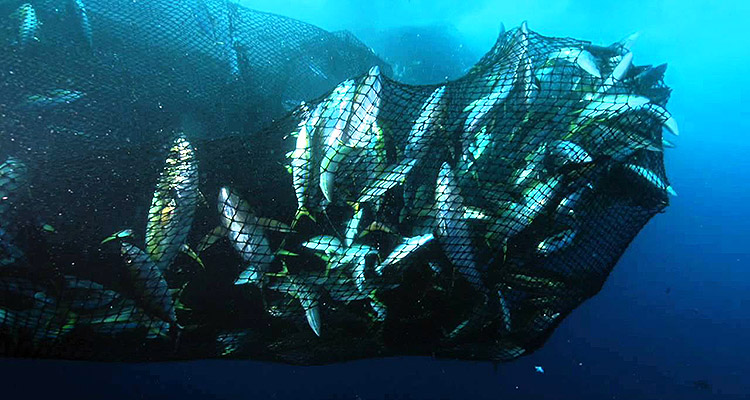
A 2011 report found that albacore, bigeye, yellowfin and skipjack, the species most commonly found in canned tuna, are threatened or nearly so. Without ongoing conservation measures and the continuation of overfishing, these species could face endangerment or even extinction. Tuna is particularly threatened by the destructive methods used to catch the species. A combination of giant nets and floating objects, known to the fishing industry as Fish Aggregating Devices (FADs), are placed in the ocean to attract and catch tuna. FADs are made from various materials, like bamboo frames with netting and ropes and are often equipped with satellite tracking. They not only attract adult tuna, but other species as well. FADs catch and kill between 2.8 to 6.7 times more non-tuna species than free-school fishing. Caught in the net then discarded back into the water dying or dead, tonnes of marine creatures are at risk because they are being fished before they can reproduce.
A company called Thai Union, whose products are sold around the world in giant superstores like Walmart, produce about a fifth of the world’s tuna products. Thousands of ignorant consumers reach for tuna goods that are the product of overfishing and wasted marine life and poor social responsibility. Many brands owned by Thai Union, like John West, have been linked to destructive fishing practices. The majority of tuna found on supermarket shelves use FADs or another method called longlining, which is an unselective fishing method contributing to the death of sharks, seabirds and sea turtles. Thai Union has also been linked to forced labour and other human rights violations.
With the ocean’s resources depleting at a rapid rate, added pressure is put on costal communities and the fisheries that are expected to take further and longer trips to meet demands. The cycle continues as resources diminish and the working conditions worsen, leading to further overfishing, aggravated practices and so on.
But there is still hope if action is taken.

On April 25, Greenpeace, an independent global campaigning organization that acts to make change and protect the environment, has launched a campaign and a set of guidelines ranking brands calling out major retailers to take action and stop selling its damaging canned tuna. Supermarkets like Walmart can use their buying power to force the tuna market to clean up its global supply chain for good. Greenpeace is working globally to transform the tuna industry into a more sustainable and ethical one, starting with the world’s largest canned tuna company.
Image sourcing: youtube.com, greenpeace.org