BY: MATTHEW YOUNG
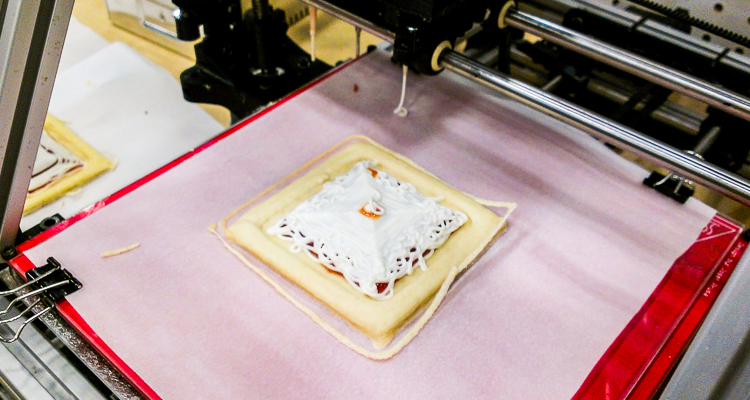
Three-dimensional printing has burst onto the technological scene with a lot of promise. The past 30 years have seen rapid advances in the quality of printers, how long it takes to print a finished object, and how affordable a machine is. In addition, there is now greater diversity in the materials that you can use to print objects and there are more people creating and sharing designs. It is an exciting environment, but up until now most of the objects to come out of printers have been plastic toys. There is so much potential in the combination of advanced CAD software and mechanical extruders. For example, some cutting-edge researchers are attempting a new idea: 3D-printed food. This could solve world hunger if someone can figure out how to do it cost-effectively.
Anjan Contractor
The world faces a population crisis. The human population will reach 10 billion by mid-century, and some experts expect even more. Anjan Contractor, a senior mechanical engineer at Systems and Materials Research Corporation (SMRC), believes that he has found a potential solution. Contractor is planning to reduce the primary nutrients in food – the fats, proteins, and carbs – to powder. He believes that the substance can then be mixed with oils and water to make food substitutes by way of a 3D printer extruder. The end goal is a sustainable and safe way for people to make food in the event that they do not have access to fresh ingredients. Furthermore, Contractor hopes to tackle individual dietary needs. With a 3D printer, people could make different food out of the same ingredients. Recipes would be made freely available and open-source so anyone can use them. Contractor has won a grant from NASA to pursue his idea and create a working model of a 3D printer that can make food. Up first, pizza for astronauts.

Lipton and Lipson
The idea of using 3D printers to make food is not originally Contractor’s. Many scientists have discussed how it would work and what the advantages might be. Two scientists in particular – Jeffrey I. Lipton, a Cornell Ph.D. candidate in engineering and Hod Lipson, a Cornell engineering professor – agree that humanity needs to produce much more food in the coming decades. Lipson looked to the democratization of the printing process as a strength. Printers are becoming cheap enough for home use, and people can now experiment with them. In addition, the recipes are free and easy to share, because they are little more than lists of machine instructions. Those two factors should inspire a burst of creativity that will lead to more innovation coming out of the printing field. Lipton, on the other hand, saw the potential for making customized or modified food. He envisioned a world where parents could print out healthy food in novelty shapes for their kids. The possibility of making food as needed might also reduce food costs by cutting out a lot of middlemen. However, these points about customized diets are still a little unfounded.
Alternative food sources
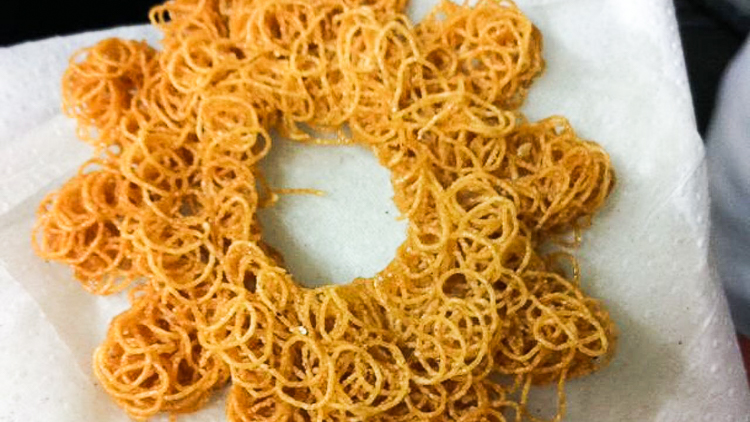
There is agreement among scientists that this demographic crisis is coming, but less agreement on what to do about it. Many biologists have noted the high degree of protein present in insects. There are many insects that die every day, so why not use their bodies as a protein source? Combining this with Contractor’s idea means we might be able to truly deliver a new food experience, with protein derived from insects, which could form the basis of the protein powders. There are other types of protein, but insects are very nutrient-dense and easy to find. One of the main reasons to doubt 3D printing is that you still need to create and refine the ingredients. A 3D printer cannot grow crops, at least not yet. That means there is still a layer of processing steps, which might be energy or resource-intensive. It is very important not to crown one method supreme because it is clear that just one will not be enough to solve the impending food crisis.
While 3D printing for the masses is still in its infancy, there are some very interesting developments on the way. This goal of making food come from a powder is unlikely to hit mass-market acceptance. Over time, though, it might become necessary if people ever develop a need for food that will last longer. Sooner or later, people will begin to share recipes for 3D-printed food. At first, it will be nothing more than a novelty. Over time, however, it will grow until it is a major part of our food supply, or so these scientists believe. Other demographers predict a declining population instead. The pursuit of 3D-printed food could lead to a second Green Revolution in food production.
About the author:
*** Matthew Young is a freelance tech journalist and blogger hailing from Boston. He is passionate about new, emerging tech in the industry. When Matthew is not busy writing about awesome new technology, he usually spends time fiddling with his camera and learning a thing or two about photography. You can reach Matthew on Twitter @mattbeardyoung ***